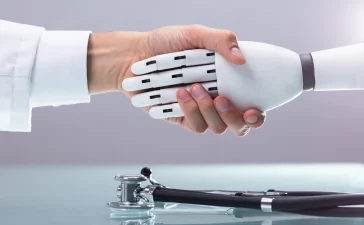
Health and medicine are experiencing unprecedented transformation driven by cutting-edge technology, new medical discoveries, and a growing focus on personalized well-being. What was once considered science fiction—AI-diagnosed diseases, lab-grown organs, remote robotic surgeries—is gradually becoming part of mainstream healthcare. As we progress further into the 21st century, health systems must evolve to address challenges such as aging populations, global pandemics, rising healthcare costs, and unequal access to care. The future of medicine lies in innovation, compassion, and the integration of technology with human expertise.
Personalized and Precision Medicine
For decades, healthcare has largely followed a one-size-fits-all approach. Today, that model is rapidly shifting toward precision medicine, where prevention and treatment are tailored to the individual based on genetic makeup, environment, and lifestyle.
Genomic testing allows doctors to identify specific disease risks before symptoms appear. For example, genetic markers can reveal susceptibility to breast cancer, heart disease, or diabetes, enabling early interventions that could save lives. Precision medicine is also revolutionizing cancer treatment—therapies can now target mutations unique to each patient’s tumor, improving outcomes while reducing side effects.
As testing becomes more accessible and affordable, personalized healthcare may soon be the standard rather than the exception.
Artificial Intelligence in Diagnosis and Treatment
Artificial intelligence (AI) is becoming one of the most powerful tools in modern medicine. Machine-learning systems can analyze medical images, lab results, and patient records faster and often more accurately than humans. AI-powered platforms are helping identify conditions such as strokes, diabetic retinopathy, tumors, and heart abnormalities in their earliest stages.
Beyond diagnosis, AI supports treatment planning by processing vast medical datasets to recommend the most effective therapies. Chatbots and virtual assistants are enhancing patient engagement, providing 24/7 health guidance, medication reminders, and mental health support.
Importantly, AI will not replace physicians—it will augment their capabilities. Healthcare professionals will be able to focus more on patient communication and compassionate care while technology handles repetitive and data-heavy tasks.

Telemedicine and Remote Monitoring
The COVID-19 pandemic accelerated the adoption of telemedicine, making virtual healthcare visits a normal part of life. Digital platforms allow patients to connect with doctors without leaving home, reducing travel barriers and increasing access in remote or underserved areas.
Wearable devices such as smartwatches, glucose monitors, and remote ECG sensors continuously track vital signs and alert patients or clinicians to abnormalities. This shift from reactive to proactive care can significantly reduce hospitalizations by addressing issues before they escalate.
As telemedicine expands, healthcare will become more decentralized and patient-centered, allowing individuals to manage chronic diseases more independently.
Mental Health: From Stigma to Priority
Another major development in modern medicine is the increasing recognition of mental health as an essential part of overall wellness. Anxiety, depression, burnout, and stress-related disorders have become widespread, especially in rapidly changing societies. Advances in digital therapy—including mobile mental-health apps, virtual counseling, and remote psychiatric care—are making treatment more accessible than ever.
Workplaces are also integrating mental-health support into corporate wellness strategies, acknowledging that employee well-being enhances productivity, creativity, and organizational success.
The future of medicine requires a holistic perspective—one that values emotional well-being alongside physical health.
Regenerative Medicine and Lab-Grown Organs
Thousands of patients worldwide await organ transplants each year, but donor shortages lead to devastating outcomes. Regenerative medicine offers hope through innovations such as lab-grown tissues, 3D-printed organs, and stem-cell therapies.
Scientists have successfully created artificial skin, cartilage, and even miniature hearts in laboratory settings. Stem-cell treatments are already being used to repair spinal injuries, regenerate bone tissue, and restore damaged muscles.
As these technologies advance, they may eliminate transplant waiting lists and dramatically extend human lifespan and quality of life.
Robotics and Minimally Invasive Surgery
Robotic-assisted surgery represents a major step forward in medical precision. Surgeons use robotic systems to perform delicate procedures with smaller incisions, reduced pain, and faster recovery times. Robots can stabilize instruments beyond human capability, enabling operations in previously inaccessible areas of the body.
Remote surgery—where a surgeon operates from thousands of kilometers away using high-speed networks—may soon become common, expanding specialized medical care beyond geographical limitations.
Public Health Challenges and the Need for Equity
While innovation flourishes, global healthcare still faces critical inequalities. Millions lack basic medical services, clean water, or affordable treatment. Non-communicable diseases like diabetes and cardiovascular illness continue to rise due to lifestyle changes and urbanization.
Future health systems must focus on:
-
Universal access to essential care
-
Preventive healthcare and health education
-
Affordable medicines and treatment plans
-
Strengthening epidemic and pandemic preparedness
Technology alone cannot solve these problems—it must be combined with strong policies, community engagement, and investment in healthcare infrastructure.
The Rise of Preventive Healthcare
Traditional medicine often reacts to illness after it appears. Future healthcare models prioritize prevention, emphasizing:
-
Regular screenings and checkups
-
Healthy diets and fitness programs
-
Immunizations
-
Early detection technologies
Wearables and health apps encourage lifestyle improvements by tracking sleep patterns, heart rate, and activity levels, allowing individuals to monitor their own well-being.
This proactive approach not only enhances quality of life but also reduces long-term healthcare costs for governments and families.
A Healing Balance: Technology and Humanity
As exciting as medical advancements are, human touch remains irreplaceable. Compassion, empathy, and trust form the foundation of the patient-care relationship. The most successful healthcare systems of the future will seamlessly integrate technology with personal attention, ensuring that patients feel understood—not just analyzed.
The doctor-patient relationship is evolving, but it will always depend on communication, ethical responsibility, and respect for human dignity.

Conclusion
The future of health and medicine promises a healthier, longer-lived global population, supported by innovations like precision medicine, AI-powered care, robotic surgery, remote monitoring, and regenerative therapies. However, technological progress must be accompanied by equitable access, improved mental-health support, and an unwavering commitment to compassion.
Medicine is entering a new era—one where scientific breakthroughs and human empathy combine to create a world where wellness is achievable for all. The transformation is well underway, and its success depends on collaboration between governments, healthcare providers, researchers, and every one of us who plays a role in shaping a healthier future.